 4 min read

Product discovery is no longer a straight line.
A customer might first see a product on social media, ask an AI tool about their options, compare products through search, check reviews and then visit the brand website before deciding what to buy.
That means discovery is happening across more touchpoints, often before a customer reaches the online store.
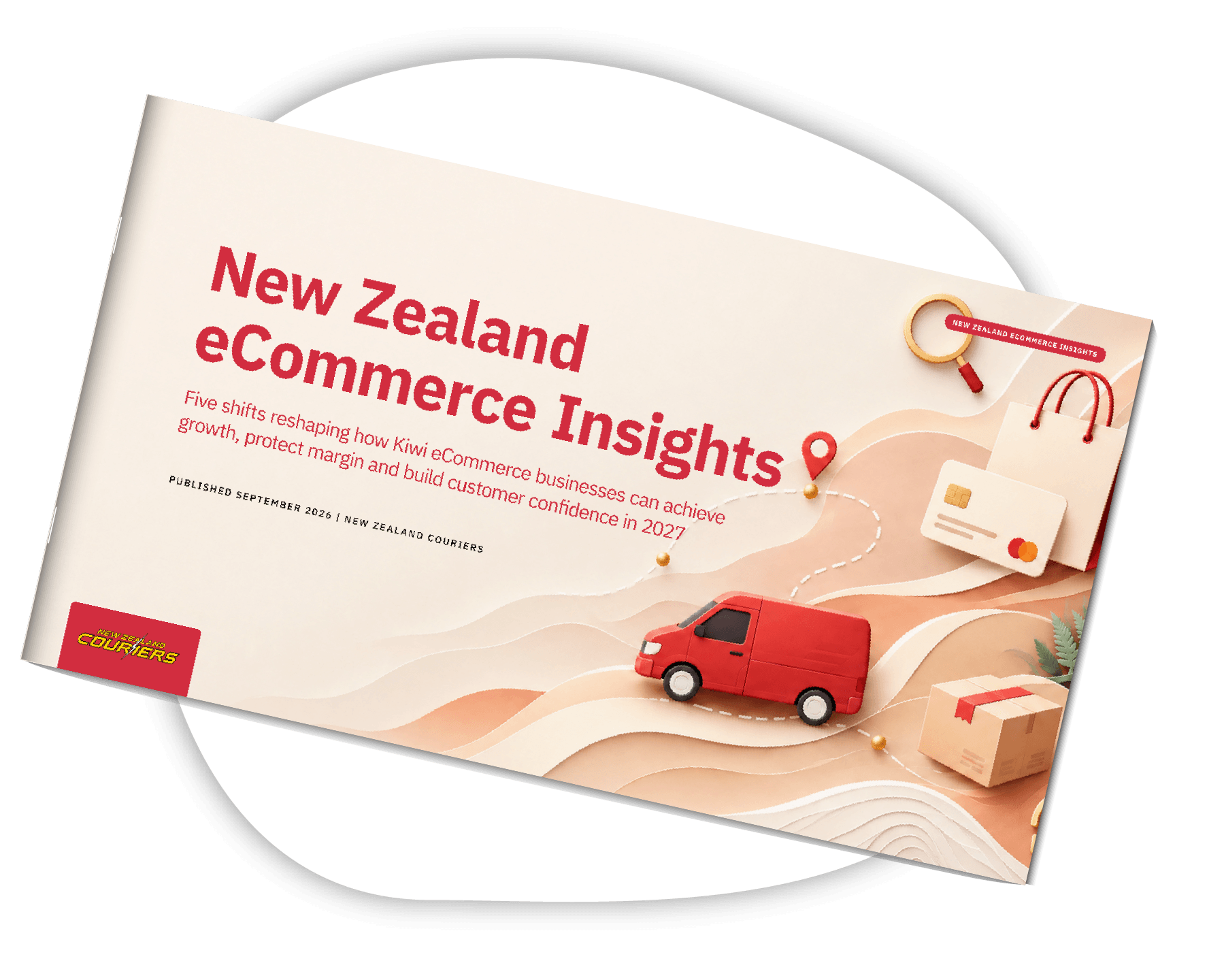
Our New Zealand eCommerce Insights report explores AI-driven discovery as one of five shifts shaping how Kiwi eCommerce businesses prepare for 2027. The practical priority is to make your product and business information clear, current and consistent wherever customers encounter it.
New Zealand Couriers eCommerce Insights
Explore five shifts shaping how Kiwi eCommerce businesses can achieve growth, protect margin and build customer confidence in 2027.
The discovery journey is changing
Customers now move between social media, search engines, AI tools, reviews and brand websites as they research products.
AI is making that process more conversational. Instead of entering a few keywords, shoppers can ask detailed questions, compare options and consider factors such as price, reviews and delivery within one interaction.
The journey might look like:
Discover → Ask → Compare → Validate → Buy
Customers may move back and forth between these steps, using different channels to answer questions and build confidence.
Search still plays an important role
AI and social media are expanding discovery, but they have not replaced search.
61% of New Zealanders use search to discover brands online, making it a core part of the customer journey. For businesses, this means thinking about how information can be discovered and understood across different channels.
SEO – Be discoverable
Search Engine Optimisation helps search engines find and understand content.
AEO – Answer clearly
Answer Engine Optimisation makes information easier to use in direct answers.
GEO – Be found and referenced
Generative Engine Optimisation helps AI systems find, understand and reference brand or product information.
These approaches work together rather than replacing one another.
What should eCommerce businesses focus on?
That includes keeping:
- Keep product details, prices and availability current.
- Answer common questions about product suitability, delivery and returns.
- Make delivery costs, timeframes and returns conditions easy to find.
- Review high-traffic pages for outdated or incomplete information.
- Keep information consistent across your website and the channels you manage.
Content should also be written in straightforward language so customers can quickly understand the information they need while researching a purchase.
Keep the journey connected
Discovery may happen across several channels, but the information customers find should lead naturally into the next stage of the journey.
The price, availability, product details, delivery and returns information a customer sees while researching should align with what they find when they reach the website and move towards checkout.
This helps reduce the chance of new questions or uncertainty appearing when the customer is closer to buying.
Explore our New Zealand eCommerce insights report for more on how online customer behaviour is changing, or see our systems integration guidance if you are reviewing how your website, checkout and delivery processes work together.
The key takeaway
AI is changing how customers discover and research products, but strong digital visibility still starts with useful and trustworthy information.
Businesses that make it easy for customers to find the answers they need across search, social and AI are better placed to support the journey from discovery through to purchase.
Explore the New Zealand eCommerce Insights report for the five shifts shaping how Kiwi businesses can grow, protect margin and build customer confidence in 2027.
Frequently Asked Questions
How is AI changing eCommerce product discovery?
AI allows customers to ask detailed questions, compare products and consider information such as price, reviews and delivery within a single interaction.
Is search still important for eCommerce businesses?
Yes. 61% of New Zealanders use search to discover brands online, so search remains an important part of the discovery journey alongside AI and social media.
What is the difference between SEO, AEO and GEO?
SEO helps search engines discover and understand content. AEO helps information appear clearly in direct answers, while GEO supports visibility and referencing in generative AI responses.
What information should eCommerce businesses keep up to date? Product details, pricing, availability, delivery and returns information should be accurate and easy for customers to find while researching a purchase.


More interesting articles to read...


