 4 min read
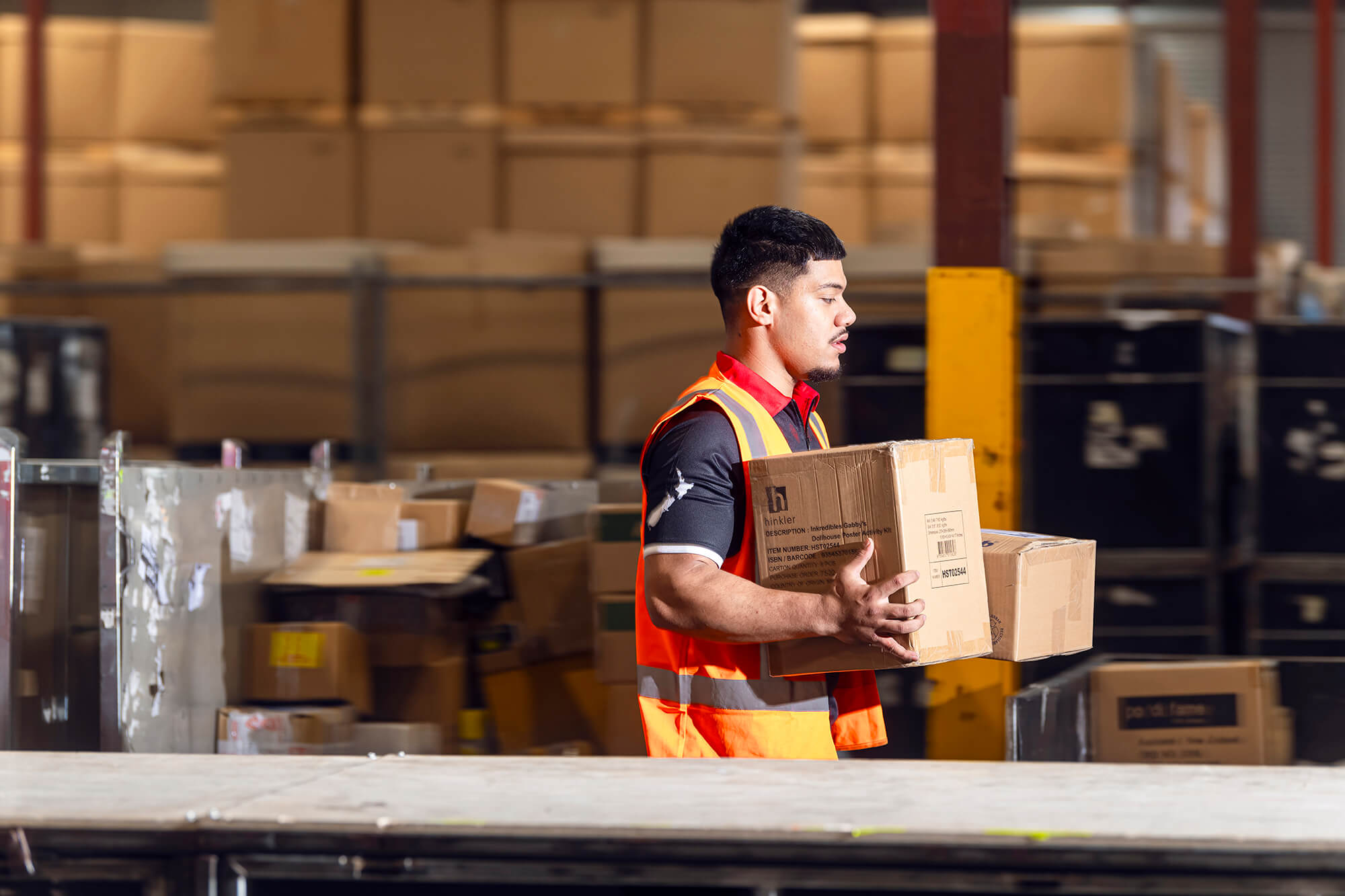
By the time orders surge, your customers may already have spent weeks discovering products, comparing options and planning purchases.
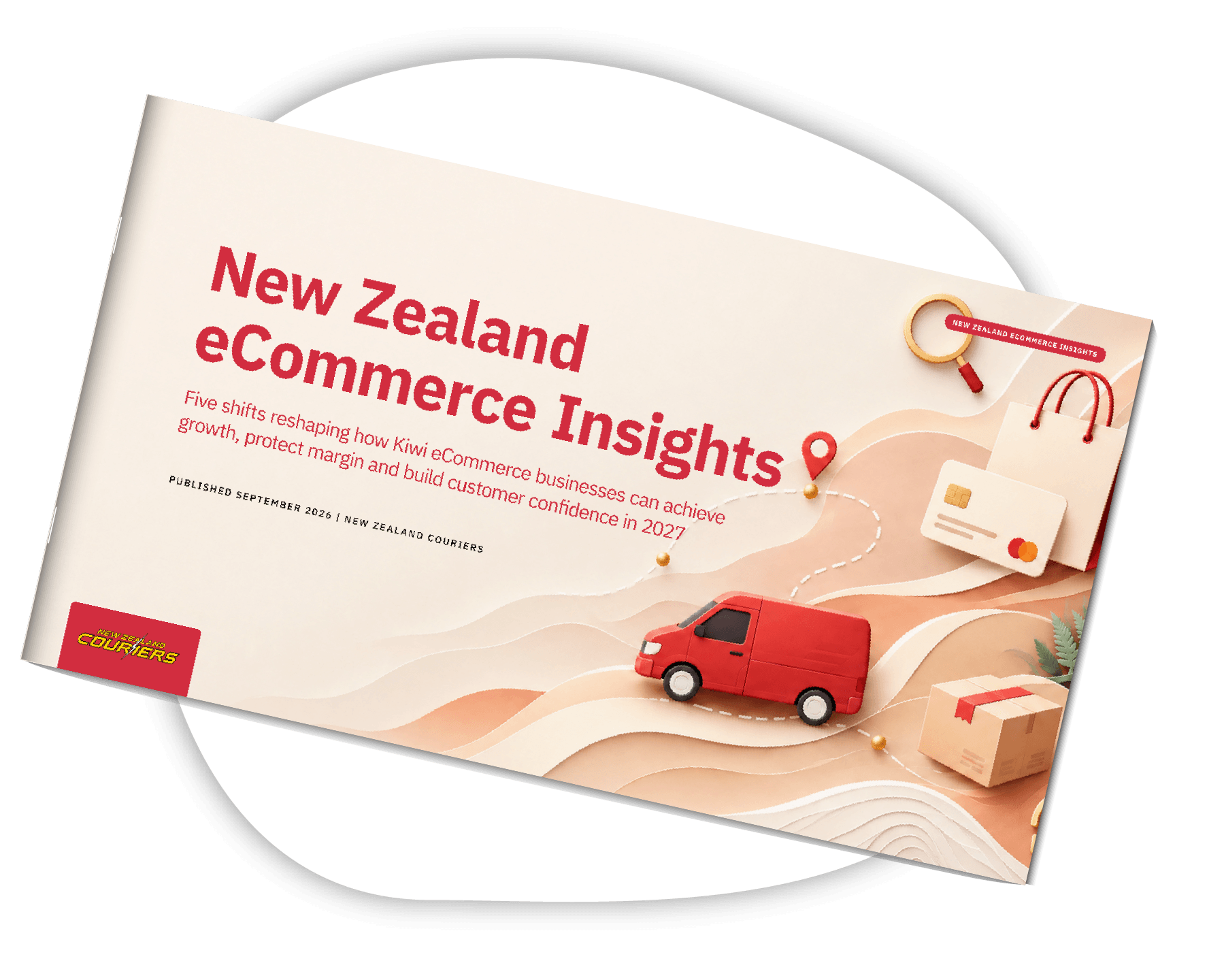
Our latest New Zealand eCommerce Insights report highlights earlier peak planning as one of five shifts shaping how Kiwi eCommerce businesses prepare for 2027. For your business, that means getting campaigns, stock, fulfilment and delivery plans ready while customers are still deciding what to buy.
That means a strong product at the right price can still lose the sale if the experience around it creates uncertainty.
New Zealand Couriers eCommerce Insights
Explore five shifts shaping how Kiwi eCommerce businesses can achieve growth, protect margin and build customer confidence in 2027.
Peak has two phases
Peak has two distinct phases.
The attention peak happens first, as customers begin researching products, comparing options and responding to promotions.
The operational peak follows as that attention turns into orders, fulfilment, deliveries and customer enquiries.
By the time parcel volumes rise, much of the customer journey may already be underway. For eCommerce businesses, this means product content, offers, inventory, fulfilment capacity, delivery cut-offs and customer communication all need to be ready before demand becomes visible in order volumes.
Prepare before promotions go live
Strong peak preparation needs to cover more than marketing activity.
Before a major promotional period begins, businesses should consider:
- whether product information and offers are ready
- whether inventory can support expected demand
- whether fulfilment capacity can handle higher order volumes
- whether delivery cut-offs and expectations are clear
- whether customer-service processes are ready for increased enquiries
- whether tracking, returns and support can handle higher activity after checkout.
The aim is to make sure your business is ready to deliver the experience your promotion promises.
Plan beyond the order
Peak pressure does not stop when a customer clicks Buy.
Tracking enquiries, delivery deadlines, returns and customer-service expectations can all rise as order volumes increase. Preparing these processes early can help businesses manage the experience after checkout as well as the initial sale.
That is especially important when customer expectations are highest and delivery timing matters most.
Delivery planning also means understanding how your courier partner performs during busy periods. For businesses planning around busy trading periods, our peak period B2C network test provides a look at how our residential network performed under pressure during Black Friday, Cyber Monday and the Christmas peak. Our latest B2B network test results also provide insight into delivery performance across business addresses nationwide.
Growth needs capacity behind it
For some businesses, peak planning is also about preparing for growth.
Nga Kuri Orchard owner Tammy Wilson explains:
“Last season I couriered 100 kg of fruit. This season and going forward, I expect to increase this tenfold, and New Zealand Couriers is a major part of allowing that to happen.”
Planning ahead gives businesses more time to align inventory, fulfilment and delivery capacity with the demand they expect to generate.
The key takeaway
Prepare for the demand your campaign creates
A strong campaign can generate orders. Preparing early helps you manage those orders and support customers through delivery and beyond.
Explore the New Zealand eCommerce Insights report for the five shifts shaping how Kiwi businesses can grow, protect margin and build customer confidence in 2027.
Planning for higher parcel volumes? Talk to our team about your delivery needs.
Frequently Asked Questions
When should eCommerce businesses start preparing for peak demand?
Preparation should begin before order volumes rise. Product content, offers, inventory, fulfilment capacity, delivery cut-offs and customer communication should be ready while customers are still researching and comparing their options.
What should businesses review before a peak sales period?
Businesses should review inventory, fulfilment capacity, product information, promotions, delivery cut-offs, customer communication, tracking, support and returns before demand increases.
Why does delivery planning matter during peak periods?
Higher order volumes can increase pressure on fulfilment, delivery and customer service. Planning delivery expectations and processes early can help businesses manage demand and give customers clearer information during busy periods.


More interesting articles to read...


